OUR SERVICES

Crisis Stabilisation & Transitional Service (Willows)

Short-term intensive support that prevents hospital admission and placement breakdown. Crisis, stabilise, step forward.

Property of community member

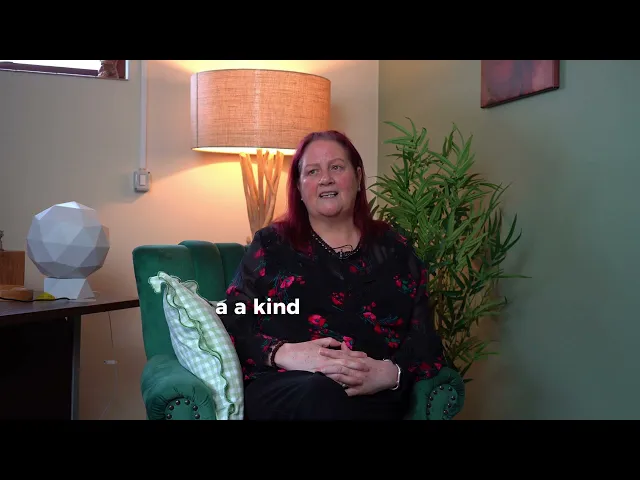
Step Inside the Hub

Step Inside the Hub

HOW CAN WE HELP

Everything you need to know

Who it’s for

Young people and adults aged 16+ with autism and/or learning disabilities who are experiencing crisis, placement breakdown, or are at risk of hospital admission.

What it involves

The Willows crisis stabilisation model provides short-term intensive support focused on crisis prevention, stabilisation, assessment, and transition planning. We work with individuals, families, and professionals to reduce distress, understand triggers, and create sustainable next steps.

Key benefits & outcomes

Prevention of unnecessary hospital admissions, reduced crisis escalation, safer transitions, improved emotional regulation, and long-term placement stability.

Where to find us

Located at The Willows, Sunderland. Support available 24/7. Placements typically for up to 26 weeks, but flexible depending on need.

How to access

Referral via commissioners, social care teams, healthcare professionals, or case managers. Urgent referrals considered based on need and availability.

Good to know

Our model follows: Crisis → Stabilise → Step Forward. The service provides a therapeutic alternative to hospital where appropriate.

Support our work

Every donation, big or small, helps autistic children, young people and adults in our community.

Neurodivergent children with interactive whiteboard

Stay in touch with what’s happening at Include in Autism

Stay in touch with what’s happening at Include in Autism

We’ll only email you about our news and events. You can unsubscribe at any time. See our Privacy Policy.

OUR PROCESS

How Our Support Process Works

Referral

Step 1

A referral is made through social care or a supporting professional.

Assessment

Step 2

We assess individual needs, strengths, and support requirements.

Relationship

Step 3

A tailored support plan is developed with trust and consistency at its core.

Allocated Worker

Step 4

A dedicated worker is carefully matched based on needs and personality.

CQC RATING

Care Quality Commission (CQC)

Care Quality Commission (CQC)

Regulated by the Care Quality Commission (CQC), we follow recognised best practice and NICE guidance. Everything we do is informed by evidence-based practice and supported by caring, experienced clinical professionals.

Regulated by the Care Quality Commission (CQC), we follow recognised best practice and NICE guidance. Everything we do is informed by evidence-based practice and supported by caring, experienced clinical professionals.

Include in Autism worker at computer

Let’s find the right support, together

Speak to our friendly team to talk through needs, availability and how to make a referral.